Welcome to the second blog in this series, in which we examine practical ways to try out the 5 ways to wellbeing: 5 methodical steps that have been researched and developed by the New Economics Foundation to foster good mental wellbeing. You can re-cap on the first in this series here, which looks at why learning is so important for our mental wellbeing, and includes some practical tips on how to get started.
Today’s topic, the second way to wellbeing reminds us to ‘take notice’ and will specifically look at mindfulness.
I used to think meditation was for Buddhist monks. I don’t mind admitting that I was wrong. While it is true that versions of mindfulness have been used through the ages by various religions, you don’t have to be spiritual, or have any particular beliefs to be mindful. Most importantly to a scientist like me, it is backed by science.
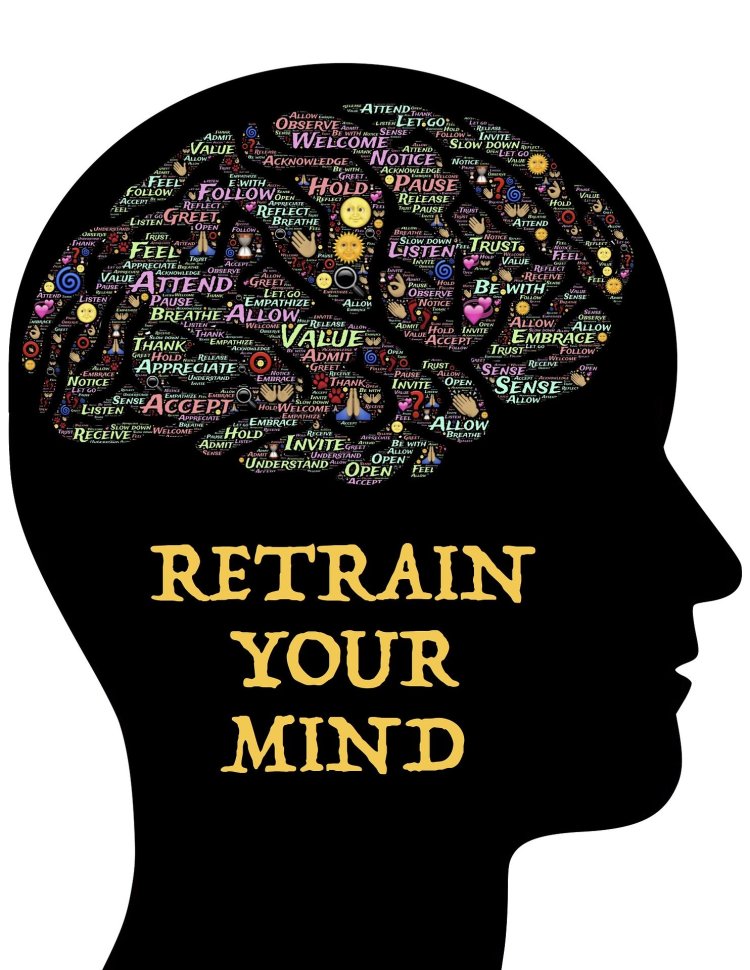
We are not as hardwired as it used to be believed. We actually have the ability to reorganize our brain networks and cortical maps. This ability is termed neuroplasticity. Mindfulness can literally change your brain. In a study an 8-week mindfulness meditation class lead to structural brain changes, including increased grey-matter density in the hippocampus, known to be important for learning and memory, and in structures associated with self-awareness, compassion and introspection.
By learning how to emotionally regulate ourselves through mindfulness we are rerouting our more primitive reactions to the higher brain. Mindfulness allows us to be more self-aware. It allows us to notice changes in our body such as tension, shallow breathing, and heart rate. Only by listening to what our body is telling us can we notice signs of stress and anxiety early and do something about it. Over time mindfulness also gives us more awareness of our thoughts, allowing us to see that not all thoughts are not facts. We can learn to treat them as mental events, and be more in control of them.

We can see our thoughts like clouds, not denying their existence, but acknowledging them, watching them float by, and letting them go. This reduces our tendency to ruminate, reduces anxiety, and allows us to be kinder and more compassionate to ourselves and others. Awareness of this kind helps us notice signs of stress and anxiety earlier, and helps us deal with them better.
Mindfulness is recommended by the National Institute for Health and Care Excellence (NICE) as a way to prevent depression. Mindfulness has been shown to help people manage pain, reduce blood pressure, reduce our levels or cortisol and improve our sleep, memory, and concentration.
The downside like any new skill, such as driving a car, is that it takes time. However even with a few minutes a day change can start to happen. Start small or go in deep. That is up to you!
A few minutes to spare?
– Carry out the 54321 exercise: acknowledging 5 things you can see, 4 that you can touch, 3 that you can hear, 2 that you smell and 1 that you taste.
– Carry out a mindful chocolate eating exercise. This one is a favourite of mine, for obvious reasons! There are other mindful meditations available that do not require chocolate such as this short 8 minute body and breath meditation, or a longer 14 minute body scan meditation.
– Do a mindful observation. For this you would need to get into the garden and find a natural object. Spend 2 minutes observing it. Look at it like you have never seen it before, like you are an alien landing on the planet and everything is new. Take in every crevice, shadow, texture and smell. This is a great exercise for children. It is so short they do not get bored, or even know they are being mindful. It can really help the whole family notice what is around them, and promote focus.
– Tend to your house plants (or purchase one!). Research suggests having plants around you is a good thing for your health and productivity.
– Do a task that you have to do anyway, like cleaning your teeth, but do it mindfully. The idea is not to change what you do but to focus on being fully alive to the sensations, tastes, smells and textures you notice while doing it.
– Download an app such as calm or headspace and start a short guided meditation. You can start a free trial and then subscribe if you like it.
An hour to spare?
– Tending to your garden can be a great opportunity to be present and enjoy the world around you. As a bonus you can burn about 330 calories doing one hour of light gardening. We know that doing 30 minutes of moderate exercise most days reduces blood pressure.
– Savour what you are doing. Try not to think about the future or the past but of the moment you are in. Perhaps take a walk and truly observe, listen and sense the world around you. You could bake some bread, being fully alive to the smells and focusing on the sensations of kneading. I like to immerse myself in a hot bubble bath, noticing the sensations, sounds and smells as you soak.
A while to spare?
– Have a ‘clear the clutter’ day. A spring clean for the home can also de-clutter the mind.
– Start your journey towards re-wiring your brain using mindfulness. A great start is the 8 week mindfulness course in the meditation book/CD by Mark Williams, a leading name in the field of mindfulness.
– Join an online mindfulness course at a reputable centre such as the Oxford Mindfulness Centre,
Some final thoughts about mindful meditation
A mindful meditation is an active not a passive process and therefore requires an active and alert mind. It may not be as easy as you think, as your mind will wander constantly, especially in the beginning. This is normal. If your mind does not wander then you don’t get the chance to practice bringing it back to the present. If you persevere it does not take long before you notice the benefits. When life is busy mindfulness can seem of lesser importance than other priorities. It’s exactly during these times that regular practice will pay off, giving you the ability to more easily focus on the job at hand, and to dwell less on things you cannot control.
As some of you may know, I am a vet. Our life can be hectic, but I can often be found ten minutes before work, sitting in my car in the staff car-park with my eyes closed fitting in a short morning meditation. I may look strange, but it’s a good way of making sure I do it, and it starts my day on a positive note. In all honestly some days I do not have the energy. This is also okay. It is important to be kind to yourself, not expect too much, or beat yourself with a metaphorical stick. Simply try again another day.
Next in this series on the 5 ways to wellbeing, we look at the importance of staying connected.
Do get in touch if you would like to find out more about mindfulness, or book a training session on mindfulness for your team.
I would love to hear some of your own tips for bring mindfulness into day-to-day life, so please do leave a comment below:
 Vet Balance